Reduce Cost, Improve Adherence for Self Administration of New Biologics
Many of the newer biologic products being developed are for long-term administration in chronic disease conditions, including oncology, autoimmune disorders and high cholesterol. Historically, these biologics have been administered by costly intravenous (IV) injection in a hospital, clinic or doctor’s office.
![]()
IV administration has been used due to the higher dosing requirements – upwards of 100 mg. To help improve patient compliance and lower the cost of therapy, some of these products have been reformulated down to 1 mL or below. At this volume they can be self-administered using an auto-injector for the 1 mL long pre-filled syringe.
The challenge arises when a drug cannot be concentrated to fit into a 1 mL long syringe. Patient use would then require multiple injections to achieve a therapeutic dose, potentially reducing patient compliance and adherence. In addition, the concentration increases the viscosity which is problematic for many auto-injectors.
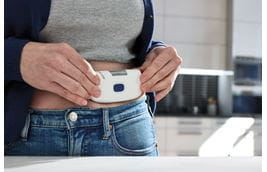
There is a trend toward wearable injectors for bolus delivery to help improve adherence and lower total cost of therapy. In one clinical study at a major multinational pharmaceutical company, a 5 minute subcutaneous injection was equivalent in efficacy to a 2.5 hour IV infusion1. This greatly improves the patient experience and can lead to improved adherence. Bolus injectors, such as the West SmartDose® electronic wearable injector, can help to address these challenges.
To learn more about the SmartDose electronic wearable injector or any of West’s injectable systems, visit our website today.
1Dias C et al, Tolerability of High-Volume Subcutaneous Injections of a Viscous Placebo Buffer, AAPS, 2015


 English
 Chinese