Contamination Control Is Evolving — Here’s What the Industry Is Saying
Reflections from Niamh Bissett, West Pharmaceutical Services Biopharma & Life Sciences Connected Live – Cork, January 22, 2026
The conversation around contamination control is shifting — and fast. At this year’s Biopharma & Life Sciences Connected Live event in Cork, that momentum was unmistakable. The event brought together industry leaders, innovators, engineers, regulators, and suppliers from across the biopharma and life sciences sector for a full day of presentations, exhibitions, and networking. With more than 75 technical sessions, over 70 exhibitions, and strong industry representation, the day revealed a clear picture of how the industry is responding to an increasingly complex regulatory environment.
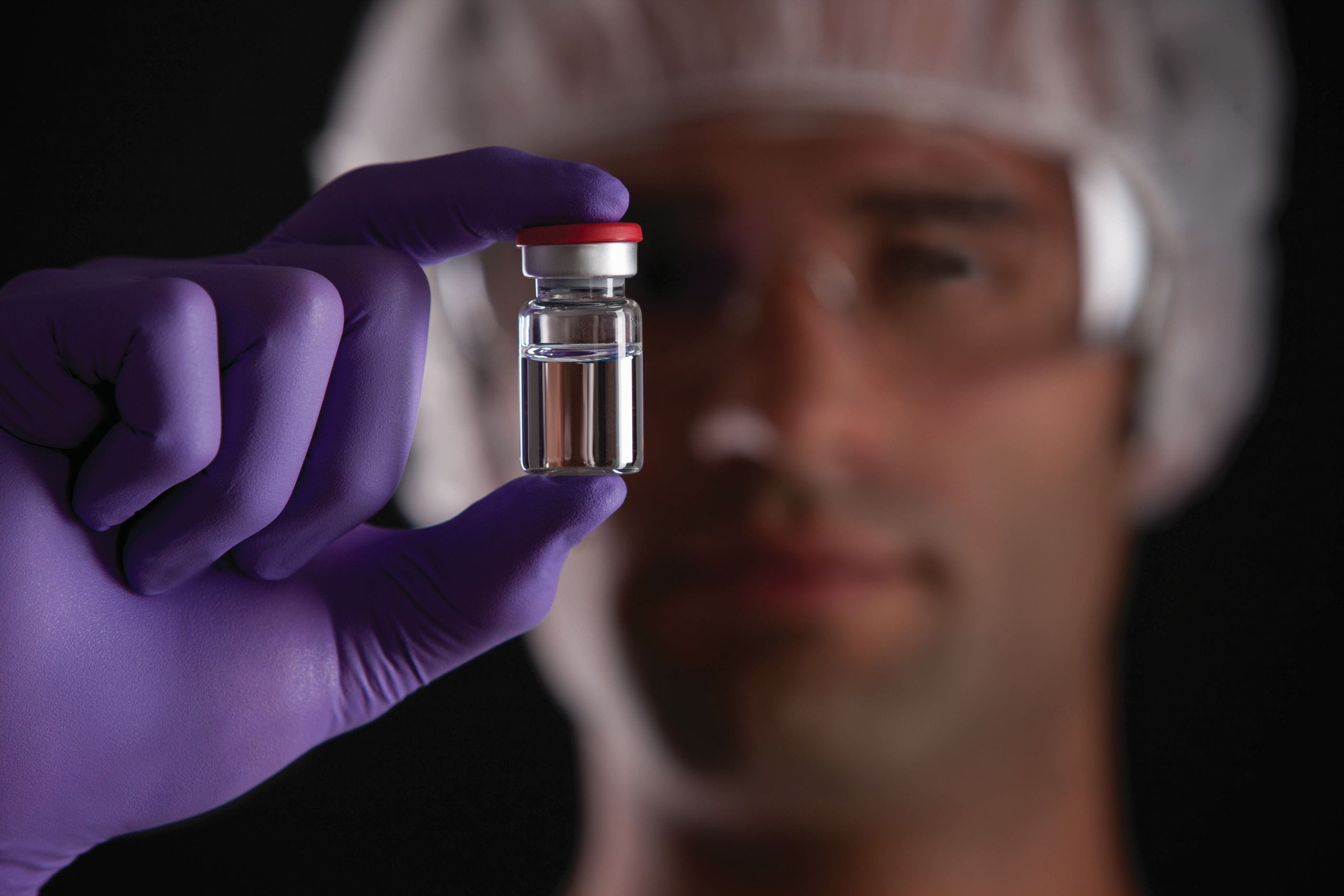
The central themes throughout the conference reflected both current sector pressures and forward-looking innovations. Topics ranged from supply chain constraints, geopolitical shifts, digital transformation, and automation to emerging therapeutic modalities such as advanced bioprocessing, vaccine platforms, biosimilars, and cell and gene therapy. Discussions also covered Industry 4.0, Internet of Things (IoT) and hybrid systems, regulatory change, technology transfer, and cutting-edge manufacturing strategies aimed at enhancing efficiency and compliance.
What stood out most was the level of alignment across organizations: contamination control is no longer a checkbox or compliance task — it is becoming a strategic differentiator. As Niamh Bissett, Director of Business Transformation at West, noted:
“Annex 1 has moved Contamination Control Strategy (CCS) from a requirement to a mindset. The companies that recognize this shift — and operationalize it — are the ones that will define the future of sterile manufacturing.”
CCS: From Requirement to Cornerstone of Patient Safety
Discussions throughout the conference reinforced a universal truth: the revised EU GMP Annex 1 is reshaping expectations across sterile product manufacturing. A robust CCS is now central to assuring product quality and safeguarding patients. Although CCS remains one of the more challenging elements to implement, speakers consistently highlighted its value in driving deeper process understanding, stronger alignment across functions, and more proactive, science-based decision making.
Rather than a regulatory burden, CCS is emerging as a catalyst for long-term operational maturity — an evolution that supports both compliance and business resilience.
Primary Packaging as a Control Point — Not a Component
An echoing theme was the reframing of primary packaging as a critical control point within a CCS, rather than an external input. This shift is elevating partnership expectations between manufacturers and suppliers.
Conference dialogue emphasized the growing need for shared risk assessments, transparency in sterilization and particulate control, collaborative approaches to data and monitoring, and deeper alignment on patient-centric outcomes. As Niamh observed, “Suppliers are becoming a direct extension of the manufacturer’s quality system — and that’s exactly where the industry needs to go.”
Many exhibitors, including companies such as Alphinity and Kneat, showcased technologies that reflect this integration: single use systems, precision flow control solutions, digital validation platforms, and other tools designed to enhance scalability, data integrity, and reliability in modern bioprocessing environments.
Quality Risk Management (QRM): A Heightened Regulatory Priority
With International Council for Harmonization (ICH)Q9(R1) now in effect — and more than half of recent FDA warning letters citing deficiencies in risk assessments — QRM has become a central regulatory focus. Tools such as FMEA, HACCP, and RBIA are being applied with greater rigor to build defensible, lifecycle driven CCS frameworks capable of withstanding increasing regulatory scrutiny.
The key message: risk management cannot sit in a folder; it must live within the process.
This ties closely to one of the event’s broader insights: validated data equals validated product. Organizations embracing digital validation and real-time decision making are positioning themselves more effectively for future regulatory expectations.
Particulates and USP <1790>: The Next Level of Control
Heightened attention on particulate understanding and control was another dominant theme. USP <1790> is reinforcing expectations for deeper evaluation of particle sources, improvement in inspection system performance, stronger supplier oversight, and robust, data-driven justification of decisions.
The message aligns directly with the shift toward holistic CCS thinking — integrating materials, processes, environments, and supplier capabilities.
A Cultural Shift Toward Lifecycle Thinking
Perhaps the most inspiring takeaway from the event was the cultural shift that is taking hold of the industry. Organizations are moving from reactive compliance to proactive, lifecycle-centric quality. Presentations and panel discussions highlighted growing adoption of barrier technologies and automation, efforts to reduce human intervention, increased interest in isolators and robotics, and deeper cross functional ownership of contamination control.
This mindset extends beyond technology. Many speakers emphasized that long-term success depends on workforce engagement as much as on tool deployment. Pharma 5.0 principles — rooted in a humancentric approach — resonated strongly: technology enables change, but people drive it.
Looking Ahead: Where the Industry Is Moving
The Cork event highlighted a sector that is not only adapting to regulatory change but also embracing the opportunity to modernize and elevate patient safety. Ireland continues to strengthen its leadership in global biopharmaceutical manufacturing, supported by a collaborative ecosystem and strong innovation culture.
Other key conference takeaways included:
- Technology is advancing faster than the regulatory frameworks designed to govern it.
- Validated data equals validated product — digital maturity is becoming essential.
- Innovation is shifting toward more collaborative, ecosystem-driven models.
- Workforce engagement is critical; technology alone does not secure future readiness.
As the revised EU GMP Annex 1 continues to shape industry strategies, the organizations that will lead the next decade are those that embed lifecycle thinking from raw materials through to distribution, treat their suppliers as CCS partners, invest early in technologies that minimize variability and risk, and build cultures where contamination control is a shared responsibility.
Contamination control is not just evolving — it is redefining the standards of world‑class manufacturing.
To learn more about Annex 1 challenges, click here.


 English
 Chinese